NYC Snow Cleanup: Latest Storm Adds to January's Lingering Piles
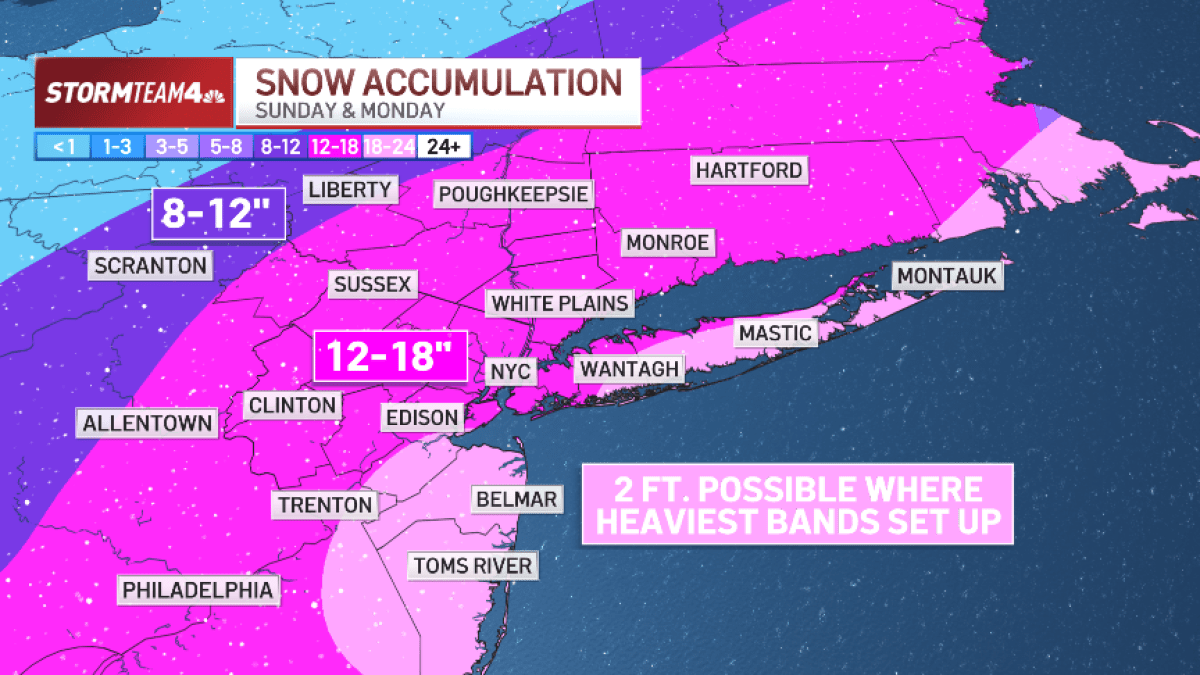
As January draws to a close, New York City finds itself once again under a blanket of white, but this time, the fresh snowfall carries an added weight: the stubborn, lingering remnants of previous storms. What might seem like a picturesque winter scene for some has become a challenging logistical puzzle for the city and a daily obstacle course for its millions of residents. The latest winter storm, a fast-moving system that swept through the tri-state area between Sunday night and Monday morning, served as a potent reminder that even modest amounts of new
nieve nueva york can create significant disruptions when layered upon existing, compacted snow.
This recent episode highlights the unique complexities of urban snow removal, especially in a densely populated metropolis like New York. The city doesn't just battle the snow falling from the sky; it contends with the accumulation of days, sometimes weeks, of compacted ice and slush that refuses to yield. This ongoing struggle shapes everything from daily commutes to local commerce and public safety, demanding constant vigilance and robust city services.
The Latest Winter Barrage: Compounding January's Challenges
The recent storm may not have been a record-breaker in terms of snowfall, but its impact was felt acutely across the region. While some areas of Long Island received up to two inches (5 cm) of snow, and parts of Williamsburg, Brooklyn, reported at least an inch (2.5 cm), the timing and context of this accumulation were critical. This fresh layer arrived just as New York City was still grappling with the considerable aftermath of a more significant snowfall event from January 25th.
For countless New Yorkers, Monday morning brought a frustrating start to the week, despite being a holiday for many. Slippery streets, partially covered sidewalks, and hazardous pedestrian crossings became the norm, once again demanding extra caution and slowing down movement. The issue wasn't just the new snow itself, but how it interacted with the existing, partially cleared, or neglected piles. Imagine navigating freshly coated ice over hard-packed snow – a recipe for slips, falls, and traffic snarls. This consistent pattern of
nieve nueva york arriving in quick succession creates a cumulative effect that complicates cleanup efforts exponentially.
The Lingering Legacy: Why Old Snow Poses New Problems
The phrase "lingering piles" doesn't quite capture the full scope of the problem. What begins as pristine white snow quickly transforms into something far less appealing and much more problematic. These aren't just fluffy mounds; they are dirty, compacted, and often icy masses that stubbornly occupy prime urban real estate.
* **Facilitates Ice Formation:** The presence of old snow creates a perfect substrate for new ice. As temperatures fluctuate, the melting and refreezing of fresh snow on top of existing piles quickly forms treacherous patches of black ice, especially in shaded areas or at night.
* **Slows Meltwater Drainage:** Urban environments are designed with storm drains and gutters, but these can become overwhelmed or completely blocked by large snow piles. When new snow melts, the water has nowhere to go, leading to localized flooding and an increased risk of refreezing as temperatures drop.
* **Aesthetic and Public Health Concerns:** The familiar cityscape of blackened corners, refuse trapped within dirty snowbanks, and overflowing litter bins adjacent to these piles is not just unsightly; it poses public health concerns. Accumulated garbage and debris can attract pests and create unsanitary conditions, compounding the challenges of city living.
* **Pedestrian Hazards:** Sidewalks and crosswalks become particularly perilous. Navigating around large snowbanks often forces pedestrians into the street, increasing the risk of accidents with vehicles. Uneven surfaces, hidden ice, and slush make even short walks a challenge, especially for the elderly or those with mobility issues.
The sheer volume of snow, even from moderate storms, combined with limited space for snow displacement in a dense city, means that these issues persist long after the last flake has fallen. This constant battle against the elements is a testament to the resilience required to thrive in a New York winter.
NYC's Battle Plan: Deploying Resources Against the White Stuff
In response to the latest winter episode, the New York City Department of Sanitation (DSNY) swung into action, showcasing the city's robust, though often stretched, snow removal infrastructure. DSNY deployed close to 700 salt spreaders, a critical first line of defense to prevent ice formation and aid in snow melt. Beyond standard plowing operations, the city also fields specialized equipment for clearing bike lanes, acknowledging the growing number of cyclists who rely on these pathways year-round.
The logistics of managing
nieve nueva york are immense. It involves thousands of personnel, a vast fleet of vehicles, and sophisticated planning. Technologies like GPS tracking on sanitation vehicles allow for real-time monitoring of plowing routes and salting operations, ensuring efficient coverage and responsiveness to evolving conditions. However, even with such a massive deployment, the challenges of narrow streets, parked cars, and continuous snowfall can test the limits of even the most prepared urban systems. The ongoing commitment to maintaining mobility and safety underscores the city's proactive approach to winter weather. For a deeper look into how the city prepares for even the initial signs of winter, you might find this article informative:
NYC's First Snowfall: December 13th Prediction & Winter Impact.
A Winter of Contrasts: From Late Starts to Arctic Blasts
While New York City grapples with its current snow cleanup, it's worth remembering the broader context of winter across the state. Earlier predictions and observations painted a picture of contrasts. Historically, the first snowfall in NYC often arrives in December, with experts predicting it around December 13th for this season, a date marking the official start of winter's grip on the city. Yet, the early parts of the winter showed significant variations.
Western New York, for instance, experienced an uncharacteristically warm November, with Buffalo recording its warmest November since 1873. The absence of snowfall until late in the month, a delay not seen since the 1880s, offered a glimpse into shifting climate patterns. However, meteorologists cautioned that these mild conditions wouldn't last, predicting a "polar cross-flow" to funnel Arctic air, leading to drastic temperature drops and activating "lake-effect snow" phenomena in cities like Buffalo, Rochester, and Oswego. This serves as a powerful reminder that the state's diverse geography means vastly different winter experiences, from the lake-effect deluges upstate to the intricate cleanup operations required for every inch of
nieve nueva york in the five boroughs. For more insights into these broader winter patterns and their evolution, explore
New York's Winter Outlook: From Record Warmth to Arctic Blast.
Navigating the Winter Wonderland: Tips for New Yorkers
Living through multiple snowfalls and dealing with lingering piles requires a degree of preparedness and community awareness from every New Yorker. Here are some practical tips to help navigate the ongoing winter conditions:
*
Be a Good Neighbor: Property owners are responsible for clearing snow and ice from their sidewalks. Doing so promptly and thoroughly benefits everyone, especially the elderly and those with mobility challenges. Shovel snow responsibly, avoiding piling it into the street or blocking hydrants and curb cuts.
*
Prioritize Public Transit: When streets are slick and visibility is poor, relying on NYC's extensive subway and bus network is often the safest and most efficient option. Check MTA alerts for service changes before heading out.
*
Dress for Success: Invest in waterproof, insulated footwear with good traction. Layers of warm clothing are essential, even for short excursions. Don't forget hats, gloves, and scarves to protect against biting winds.
*
Watch Your Step: Assume all wet patches are ice. Be extra vigilant on sidewalks, at crosswalks, and especially near those lingering, dirty snow piles where refreezing is common. Look out for "black ice" which is nearly invisible.
*
Stay Informed: Follow official city channels (like NYC Emergency Management, DSNY) for real-time updates on weather advisories, cleanup progress, and street conditions.
*
Drive with Extreme Caution: If driving is unavoidable, reduce your speed significantly. Maintain greater distances from other vehicles, and be aware that stopping distances are dramatically increased on snowy or icy roads. Avoid sudden braking or acceleration.
Conclusion
The latest snowstorm in New York City, while perhaps not monumental in its fresh accumulation, serves as a poignant reminder of winter's persistent grip and the compounding challenges of urban snow management. The city's continuous efforts to clear streets and sidewalks, deploying hundreds of salt spreaders and specialized equipment, are a testament to its dedication to public safety and mobility. Yet, the stubborn presence of lingering snow piles from previous January events highlights the intricate dance between nature's powerful forces and human ingenuity. As New Yorkers navigate blackened corners, icy patches, and slushy crossings, their resilience shines through. With more winter weeks ahead, staying informed, exercising caution, and practicing good neighborly habits will be key to weathering the season, ensuring that the magic of
nieve nueva york doesn't overshadow the critical importance of a safe and functional metropolis.